

9786255576910
877169
https://www.hesapli24.com/zubaydah-bint-ja-far-the-leading-female-figure-of-the-abbasid-period
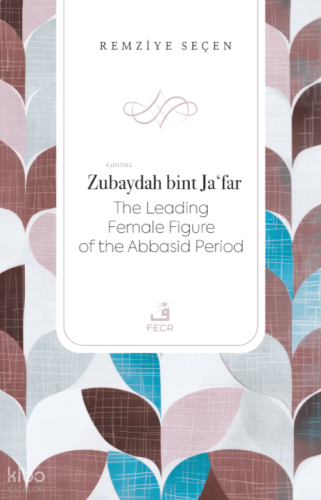
Zubaydah bint Jaʻfar The Leading Female Figure of the Abbasid Period
14.04
Islamic civilization experienced remarkable social, cultural, economic,
and artistic development during the early Abbasid era, often described
as the Golden Age of Islam. This transformation influenced all segments
of society, including women, whose visibility in political and social
life increased significantly. Among the notable women of this period,
Zubaydah bint Ja‘far stands out as a figure who utilized the opportunities
of her time with exceptional effectiveness.
A member of the Hashimite family descending from the Prophet (pbuh),
Zubaydah was a princess-the granddaughter, wife, and mother of caliphs.
She possessed her own treasury and dedicated a substantial part
of her wealth to charitable works. One of her most enduring contributions
was the construction of the water channels supplying Mecca-
known as Ayn-i Zubaydah-and the establishment of accommodations
along pilgrimage routes. Through these efforts, her name was preserved
in public memory for centuries.
Another aspect that sustained her fame was her celebrated relationship
with Caliph Hārūn al-Rashīd. Renowned for her intelligence and
beauty, Zubaydah influenced the caliph through her ambition, insight,
and strong character. Their relationship, reflected in poetry and in the
tales of One Thousand and One Nights, became an integral part of the
literary imagination of later generations. The narratives of One Thousand
and One Nights, which depict the grandeur of Baghdad and the
era of Hārūn al-Rashīd, include thirteen stories that portray Zubaydah's
figure.
This biographical study examines Zubaydah bint Ja‘far's personality,
ideas, influence on her period, and representation in Arabic literature,
revealing a figure rooted not only in political history but also in the
cultural memory of society.
Islamic civilization experienced remarkable social, cultural, economic,
and artistic development during the early Abbasid era, often described
as the Golden Age of Islam. This transformation influenced all segments
of society, including women, whose visibility in political and social
life increased significantly. Among the notable women of this period,
Zubaydah bint Ja‘far stands out as a figure who utilized the opportunities
of her time with exceptional effectiveness.
A member of the Hashimite family descending from the Prophet (pbuh),
Zubaydah was a princess-the granddaughter, wife, and mother of caliphs.
She possessed her own treasury and dedicated a substantial part
of her wealth to charitable works. One of her most enduring contributions
was the construction of the water channels supplying Mecca-
known as Ayn-i Zubaydah-and the establishment of accommodations
along pilgrimage routes. Through these efforts, her name was preserved
in public memory for centuries.
Another aspect that sustained her fame was her celebrated relationship
with Caliph Hārūn al-Rashīd. Renowned for her intelligence and
beauty, Zubaydah influenced the caliph through her ambition, insight,
and strong character. Their relationship, reflected in poetry and in the
tales of One Thousand and One Nights, became an integral part of the
literary imagination of later generations. The narratives of One Thousand
and One Nights, which depict the grandeur of Baghdad and the
era of Hārūn al-Rashīd, include thirteen stories that portray Zubaydah's
figure.
This biographical study examines Zubaydah bint Ja‘far's personality,
ideas, influence on her period, and representation in Arabic literature,
revealing a figure rooted not only in political history but also in the
cultural memory of society.
Yorum yaz
Bu kitabı henüz kimse eleştirmemiş.
-
Yeni
 Stokta yok
 -
Yeni
Stokta yok
-
Yeni
Stokta yok
-
Yeni
Stokta yok
-
Yeni
Stokta yok
-
Yeni
Stokta yok
-
Yeni
Stokta yok
-
Yeni
Stokta yok
-
Yeni
Stokta yok


