9786253854904
878244
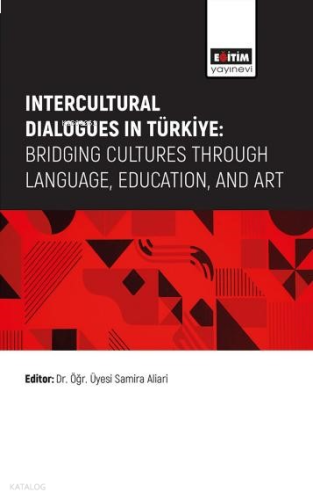
https://www.hesapli24.com/intercultural-dialogues-in-turkiye-bridging-cultures-through-language-education-and-art
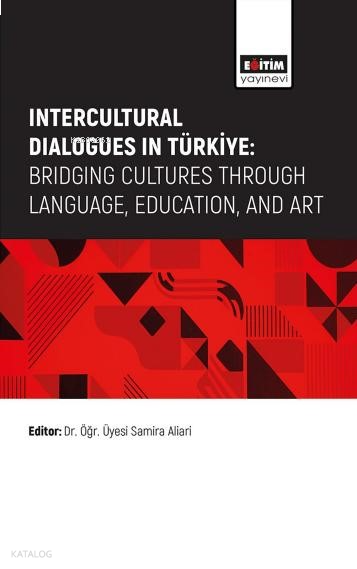
İntercultural Dialogues in Türkiye; Bridging Cultures Through Language, Education, And Art
15.47
The book is structured to reflect this interrelationship. The opening chapters provide theoretical foundations, tracing the evolution of ICC as a concept and its intersections with multilingualism and global citizenship education. Subsequent chapters explore pedagogical models and empirical studies, offering insights into classroom practices, assessment approaches, and teacher education. Throughout, I seek to highlight the dialogic and transformative dimensions of intercultural encountershow they shape worldviews, foster empathy, and contribute to more inclusive and sustainable societies.
This volume also speaks to the urgent need for education systems to reimagine their goals in light of global challenges. Issues such as migration, social polarization, environmental crises, and technological change call for citizens who can think critically, communicate across differences, and act collaboratively. Language education, when grounded in intercultural and multilingual perspectives, holds the potential to nurture such capacities. It equips learners not only to speak other languages but to listen differently—to perceive the world through multiple lenses and engage with it ethically and creatively.
The book is structured to reflect this interrelationship. The opening chapters provide theoretical foundations, tracing the evolution of ICC as a concept and its intersections with multilingualism and global citizenship education. Subsequent chapters explore pedagogical models and empirical studies, offering insights into classroom practices, assessment approaches, and teacher education. Throughout, I seek to highlight the dialogic and transformative dimensions of intercultural encountershow they shape worldviews, foster empathy, and contribute to more inclusive and sustainable societies.
This volume also speaks to the urgent need for education systems to reimagine their goals in light of global challenges. Issues such as migration, social polarization, environmental crises, and technological change call for citizens who can think critically, communicate across differences, and act collaboratively. Language education, when grounded in intercultural and multilingual perspectives, holds the potential to nurture such capacities. It equips learners not only to speak other languages but to listen differently—to perceive the world through multiple lenses and engage with it ethically and creatively.
Yorum yaz
Bu kitabı henüz kimse eleştirmemiş.